

It’s been one year since thousands of tree limbs and powerlines snapped in half and fell from the sky in parts of Northern Michigan. The historic ice storm left more than 100,000 customers without power, some were without power for weeks.
While most people were sheltering in place, farmers in northern Michigan were working tirelessly to keep their crops and livestock safe.
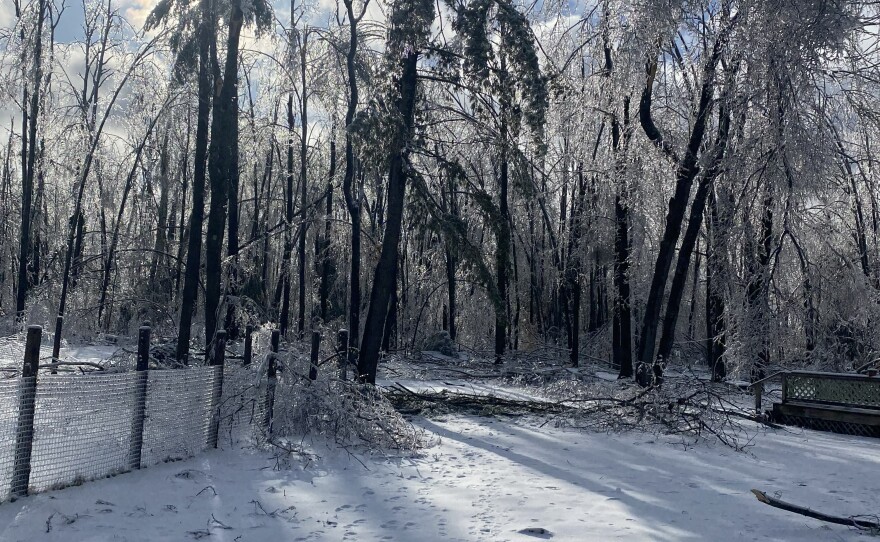
After the ice storm hit, Hearts Pasture Farm became a warzone with limbs crashing to the ground constantly. That’s according to Amanda Wolters, the owner of the 15-acre potato and goat farm that sits deep in the woods of Alanson.
One year later, Wolters walked around her farm and was reminded of the storm every time she looked up.
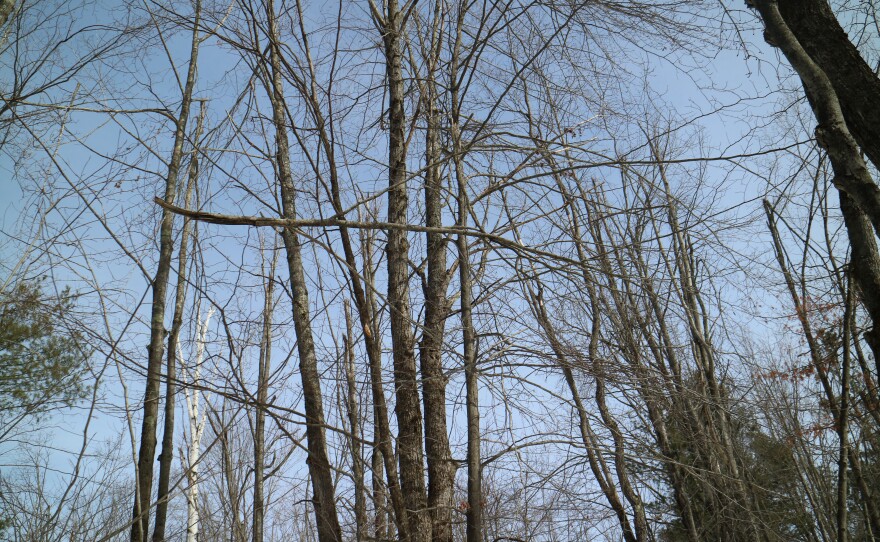
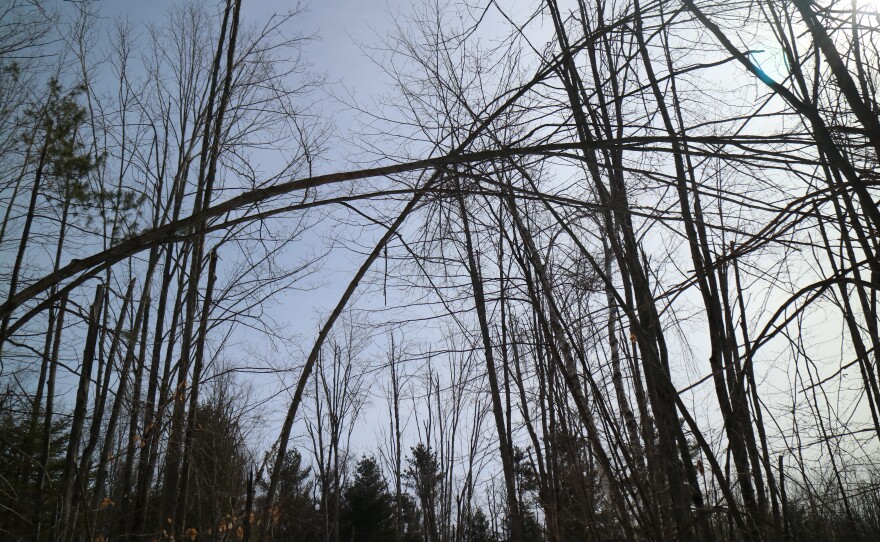
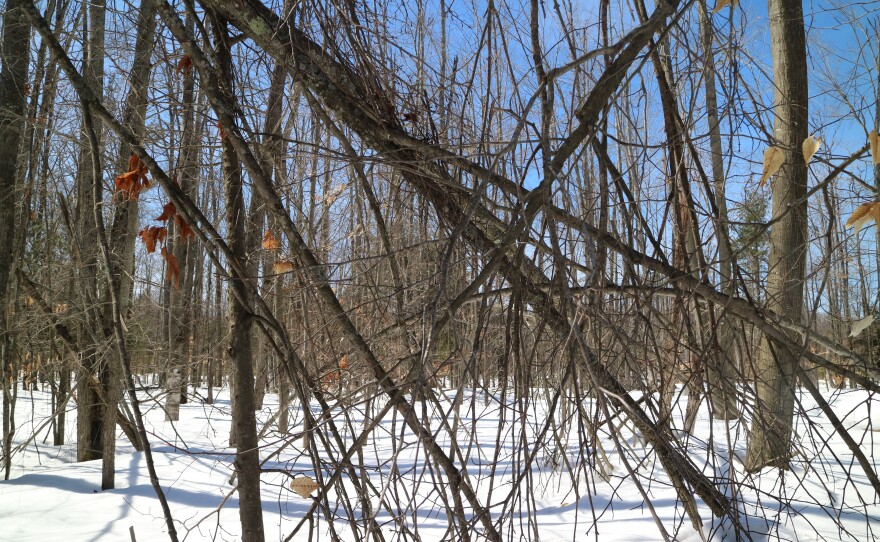
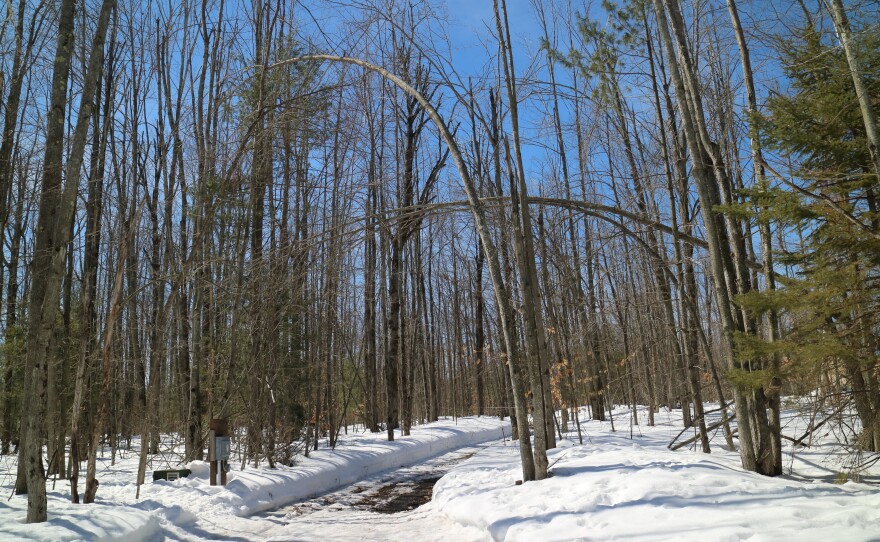


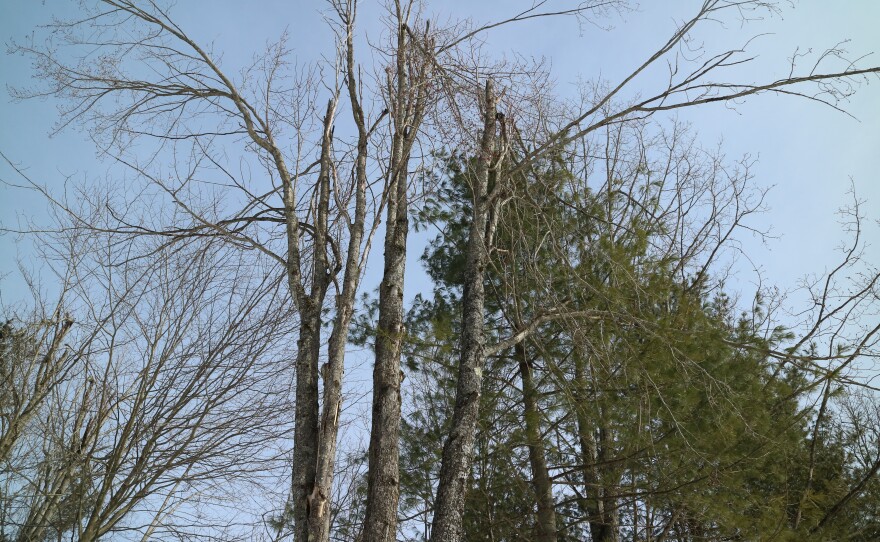
“You can see the tops of the trees that are broken off, and you can see ones that are dangling” Wolters said as she pointed up at trees surrounding her farm. “Those are called widow makers…I would be the widow in the scenario.”
Wolters said there are thousands of trees like that on the farm and piles of debris that cover the forest floor.
“It will take a lifetime to clean all this up,” Wolters said.
Like many other farmers impacted by the storm, Wolters said last year’s season was cut short.
“Every day of cleanup is just ticking in your head,” Wolters said. “That’s one more day that we’re not planting potatoes.”
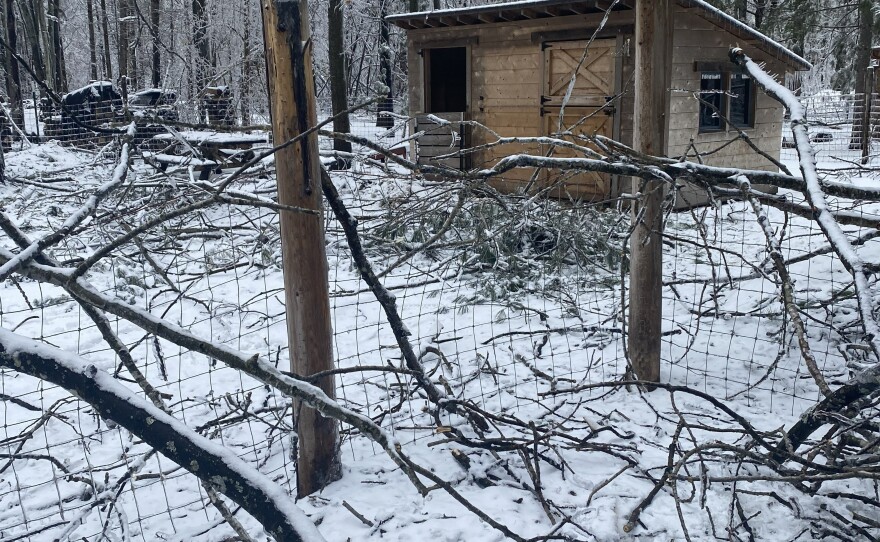
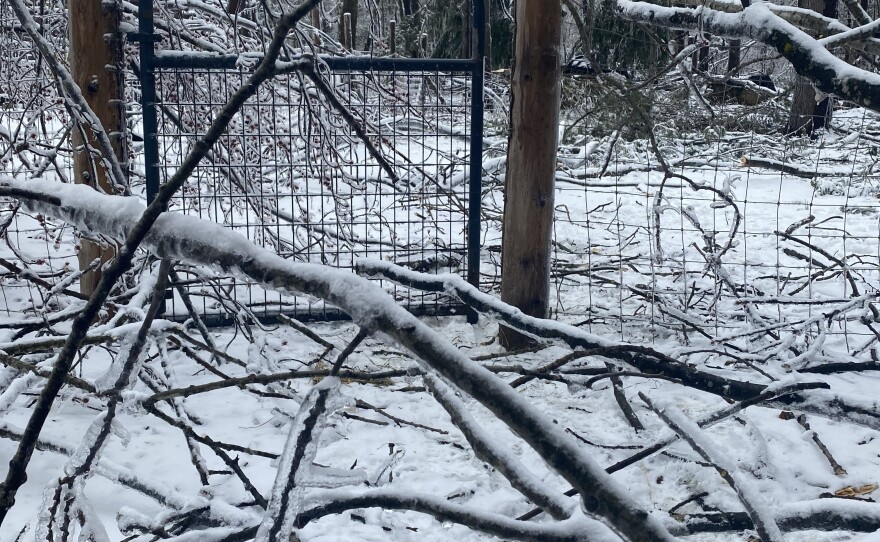
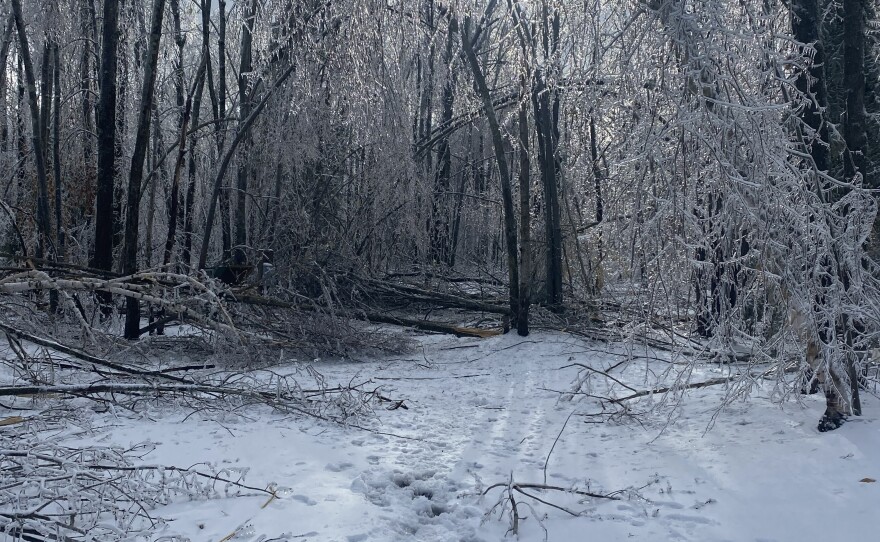

The ice storm impacted residents in northern Michigan on every level. It decimated entire grids and affected nearly one million acres of state forests.
Utility companies were forced into massive amounts of debt to rebuild infrastructure.
Allan Berg, the CEO of Presque Isle Electric and Gas said a recent decision from the White House allows utilities to apply for more federal funding.
“Then the FEMA teams will decide how much of those costs will be allowed,” Berg said. “And then we have to pay 25%.”
Berg said it could be years before they see that relief.

Bigger, industrial farms were able to secure some relief from government programs, but relief for smaller farmers has been driven entirely by the community.
Daniel Marbury works for a nonprofit called Crosshatch. He says the nonprofit scrambled to raise money and get it to small farmers.
Earlier this year, Marbury spoke at a storytelling event in Gaylord among other people who were impacted by the ice storm. He says Michiganders from all over the state donated towards the cause.
“This experience clearly illustrated that community can come together across a region to help neighbors and you’ve already heard that tonight,” Marbury said.
With the money from Crosshatch, Hearts Pasture Farm hired help to remove the most dangerous trees on their property.
Andrew LaFountain from Alpine Forest farm in Gaylord, was another farm Crosshatch was able to support after the storm.
But, LaFountain says he signed up for a U.S. Department of Agriculture forest cleanup program prevented him from cleaning up the damage for a year.
“We could clear trails, but we weren't supposed to be out in the woods. And my property is primarily a forest,” LaFountain said.
Last season was manageable, LaFountain says. But this season he’s spending less time at farmers markets and more time cleaning up his forest.

“It is a bit of a financial hardship to lose that income for the farm,” LaFountain said.
Open Sky Organic farm is a flower farm in northern Michigan that was without power for 11 days during the storm.
One of the flower farmers, Katie Martin says flowers had to be kept at colder than normal temperatures with one generator powering everything.
“We probably lost, I would say, 40% of our ranunculus crop, which is, that's something that is a lot of work, it takes a lot of time,” Martin said.
During the storm, Martin says the farm’s tulips needed to be shipped out but their buyers were closed and roads were blocked.
“We had a lot of products that we were kind of scrambling to get out to our community,” Martin said.
The flower farm was pleasantly overwhelmed by the amount of bouquets bought and donated to nursing homes and warming shelters, Martin says.
When a blizzard hit their farm this year, Martin says the farm hosted an event and the community showed up and bought more flowers.
“I think close to 3,000 tulips in three days which was pretty incredible,” said Martin.
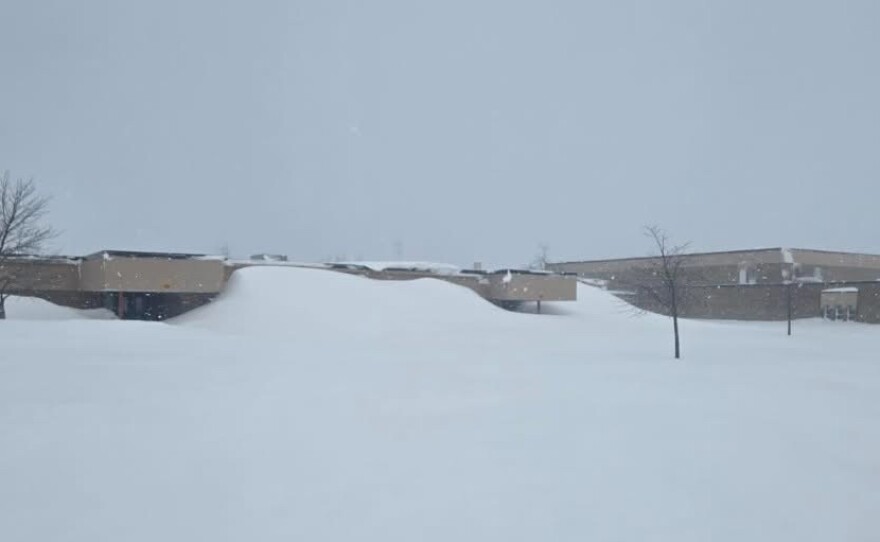
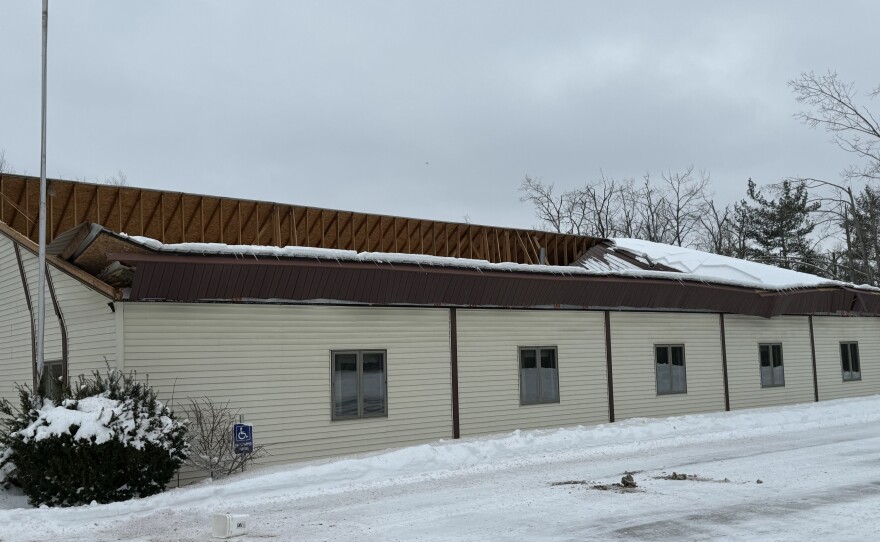
That record-breaking blizzard hit parts of the Upper Peninsula and Lower Peninsula. At the same time, another ice storm left 100,000 residents in northern Michigan without power for days.



Brad Rippey, a meteorologist for the USDA says weather events like these are becoming more common and more intense.
“That’s definitely a trend we have seen and there’s a couple reasons,” said Rippey. “A warmer climate that can lead to more water vapor.”
Rippey says, the more water vapor the atmosphere can hold, the heavier rain, ice and snowstorms are becoming.
Residents and farmers across Michigan worry about more severe weather events happening in the future. But for now, all they can do is recover and lean on their communities for support.


