-
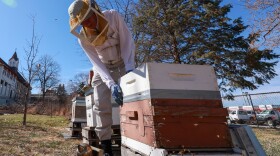 When beekeepers saw widespread honeybee die-offs last year, researchers at the USDA Beltsville Agricultural Research Center stepped in to help. The Trump administration now plans to close the facility, sparking concern among beekeepers and scientists.
 -
 Refugees and other immigrants are no longer eligible for the Supplemental Nutrition Assistance Program, as states implement a federal rule change. The restriction is one of many moves that has made it harder for immigrants to access federal benefits.
 -
 The Trump administration's federal workforce cuts shrunk U.S. Department of Agriculture agencies that inspect produce, provide conservation resources and collect data on crops and livestock. It's creating longer wait times for farmers seeking federal services and programs, people working in agriculture say.
 -
 Data from the U.S. Department of Agriculture puts Michigan’s farm real estate value at about $6,800 per acre in 2025, a 7.8% increase from 2024. It was the highest increase in the country.
 -
 Farm aid promised last December is still months away from being paid out to fruit and vegetable growers. But industry groups say it won't be enough to get them through tough market conditions.
 -
 In 2014, the U.S. Department of Agriculture created a network of “climate hubs” to understand how climate change affects agriculture and forestry and help farmers adapt to more extreme and unpredictable weather. Now, the future of these hubs is uncertain.
 -
 Under the current system, producers must be the sole owner-operator of their farm or ranch to qualify for loans from the federal government. A bipartisan bill would expand the eligibility requirements for applicants.
 -
 Federal data found that millions of people struggled to get enough food in 2024. The report will be the final publication of such data after the U.S. Department of Agriculture said it will scrap the annual hunger survey.
 -
 Most of the package is earmarked for row-crop producers. It aims to help farmers – especially those who grow soybeans – balance out losses from high costs and a trade war with China.
 -
 Congress extends critical Farm Bill for a third time. It's a relief for farmers, but raises concernsThe federal funding package to reopen the government included a one-year extension of certain 2018 Farm Bill programs. Several expired Sept. 30 or would have been null by the end of the year.

© 2026 Central Michigan University
News, Culture and NPR for Central & Northern Michigan
Play Live Radio
Next Up:
0:00
0:00
Available On Air Stations


