-
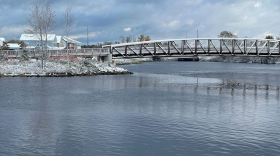 “The state told the members of the community that your water is safe to drink and, effectively, now what the state is saying is, well, you shouldn’t have listened to us,” says an attorney representing the plaintiffs.
 -
 Michigan health officials have updated their guidelines on toxic "forever chemicals" in fish, tripling the number of lakes and rivers, where anglers are advised to not eat their catch.
 -
 Michigan recently surpassed 300 known sites with PFAS contamination. As more sites are identified and researchers continue to learn about the health impacts, we’re here to answer YOUR questions.
 -
 A new team at the former Wurtsmith Air Force base in Oscoda is promising to improve transparency and expedite cleanup actions to address leaching contamination in the Au Sable River.
 -
 Roughly 400 homes can decide to connect to the main in the first phase of the project. The township plans to eventually extend the line out to Lake Margrethe — reaching up to 1,000 households affected by PFAS plumes largely from Camp Grayling.
 -
WCMU’s David Nicholas spoke with environmental reporter Teresa Homsi about state testing and what people need to know if their community becomes a "place of interest."
-
 Management is changing at the former Wurtsmith Air Force Base in Oscoda. Defense officials say the new structure will improve transparency and the cleanup of toxic "forever chemicals."
 -
 The U.S. Geological Survey estimates up to 95 million people could be drinking groundwater with detectable levels of PFAS, according to a new study published in the journal Science.
 -
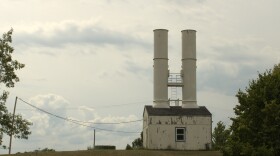 U.S. Rep. Dan Kildee (D-Flint) and U.S. Sen. Gary Peters (D-Bloomfield Township) recently sent a letter to the Department of Defense, demanding a detailed plan to address contaminated military sites.
 -
 The report found that polluters underestimate the long-term costs of these control methods. But it's still cheaper for polluters to implement band-aid fixes on contaminated sites.

© 2026 Central Michigan University
News, Culture and NPR for Central & Northern Michigan
Play Live Radio
Next Up:
0:00
0:00
Available On Air Stations


